
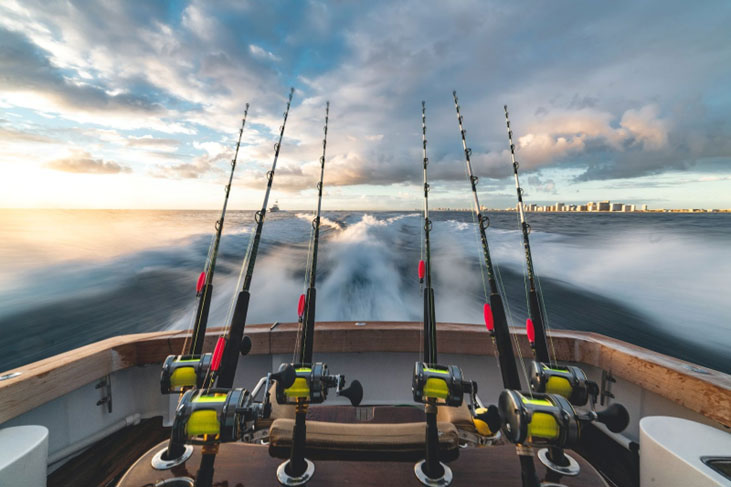
A day on the water can be one of the best ways to combine boating and fishing. Whether you are heading out for a few hours on a local lake, exploring coastal waters, or spending a full day offshore, having the right equipment can make the experience safer, more comfortable, and more enjoyable.
You do not need to fill every storage compartment on your boat with specialized gear. The key is to bring equipment that serves a purpose and matches the type of fishing you plan to do. From safety equipment to basic tackle, a little preparation before leaving the dock can make a big difference once you are on the water.
Start With Essential Safety Equipment
Safety should always come before fishing gear. Even on a familiar body of water, conditions can change quickly, so every person on board should have access to a properly fitting personal flotation device.
A basic first-aid kit is also worth keeping on board, along with a reliable way to communicate in case of an emergency. Depending on the boat and the type of trip, this may include a marine radio, charged phone stored in a waterproof case, navigation equipment, lights, and other required safety items.
It is also important to check that your boat has the equipment required for the waters where you will be operating. Before leaving the dock, make sure essential systems are working and that you have enough fuel or battery power for the planned trip.
Choose Rods and Fishing Reels for Your Trip
Once the basic safety equipment is covered, you can focus on the gear that will actually help you catch fish.
Your rod and reel should match the species you are targeting, the type of water you will be fishing, and the techniques you expect to use. There is no single setup that works perfectly for every situation. A lightweight freshwater setup may be appropriate for smaller fish in calm inland waters, while heavier equipment may be necessary for larger saltwater species.
When choosing fishing reels, consider factors such as line capacity, drag performance, gear ratio, weight, and durability. The reel should also balance comfortably with your rod. A setup that feels well balanced can be easier to handle during repeated casting and retrieving throughout a long day.
If you are fishing from a boat, think about how much space you have available as well. Bringing several specialized setups can be useful for experienced anglers, but beginners may find it easier to start with one or two versatile combinations.
Bring the Right Line and Terminal Tackle
Your rod and reel are only part of the fishing setup. You will also need fishing line and terminal tackle suited to the conditions.
Monofilament, fluorocarbon, and braided line each have different characteristics, so your choice should depend on the technique and species you are targeting. Consider how much line you are likely to need and whether you will be fishing shallow water, deeper structure, or areas with heavy cover.
Your tackle box should contain hooks, swivels, leaders, sinkers, and other basic items appropriate for your fishing style. Bring a few backups of the essentials because losing a hook or breaking a leader should not end the trip.
A pair of fishing pliers and line cutters can also be extremely useful. They take up little space but can make it much easier to change tackle, remove hooks, and deal with unexpected problems.
Pack a Selection of Bait and Lures
The type of bait or lure you bring should reflect the fish you are targeting and the conditions you expect to encounter.
Live bait can be effective in many situations, but it requires proper storage and handling. Artificial lures are convenient because they can be reused and allow anglers to experiment with different colors, sizes, depths, and retrieves.
Instead of bringing your entire tackle collection, choose a small selection that covers the conditions you are most likely to encounter. If you are unfamiliar with the area, local fishing reports and bait shops can provide useful information about what has been working recently.
Remember to keep lures organized while the boat is moving. Loose hooks and tackle can create unnecessary hazards, particularly when several people are fishing in a limited space.
Use a Fish Finder and Navigation Tools Wisely
Technology can make boat fishing more efficient, particularly when you are unfamiliar with a body of water.
A fish finder can help you identify changes in depth, underwater structure, and potential areas where fish may be holding. GPS and navigation systems can help you return to productive locations and stay aware of your position.
However, electronics should complement rather than replace basic fishing skills. Learning to recognize points, drop-offs, vegetation, channels, rocks, and other underwater features will help you understand why fish may be concentrated in certain areas.
Make sure your electronics are charged and functioning before you leave. If you rely on a phone for navigation or weather information, consider carrying a backup power source as well.
Bring the Right Clothing and Sun Protection
Spending several hours on the water can expose you to much more sun and wind than you might expect. Comfortable, weather-appropriate clothing can make a major difference in how much you enjoy the trip.
Sunscreen, sunglasses, and a hat are useful even on partly cloudy days. Lightweight layers can help you adapt when temperatures change throughout the day, while waterproof outerwear can be valuable if rain or spray is expected.
Good footwear is also important. Choose shoes that provide traction on wet surfaces and are appropriate for the type of boat you will be using.
Do not forget to bring enough drinking water. Dehydration can become a problem surprisingly quickly when you are exposed to sun and wind for several hours.
Keep Food and Drinks Easily Accessible
A full day on the boat requires more than fishing equipment. Bring enough food and water for everyone on board, especially if you plan to stay on the water for several hours.
A cooler can keep drinks and food cold while also providing a convenient place to store a catch when regulations allow you to keep fish. Keep food and drinks secured so that they do not become loose while the boat is moving.
It is also a good idea to bring extra water rather than assuming you will have enough. Having a little more than you expect to need is much better than running out during a longer trip.
Organize Your Boat Before Leaving the Dock
Boat organization becomes particularly important when fishing with several people. Rods, tackle boxes, coolers, safety equipment, and other items can quickly take up valuable deck space.
Before leaving, decide where each piece of equipment will go. Keep frequently used items within easy reach while storing spare equipment somewhere secure.
Make sure walkways remain clear. Loose tackle, fishing line, and other objects can become tripping hazards, especially when someone needs to move quickly around the boat.
Good organization also makes it easier to concentrate on fishing. Instead of searching through storage compartments every time you need something, you can spend more time watching the water and working your lure.
Check the Weather and Water Conditions
Even the best equipment cannot compensate for poor conditions. Check the weather forecast before leaving and continue monitoring conditions during the trip.
Wind, rain, waves, temperature, and changing currents can all affect both safety and fishing success. Coastal anglers should also pay attention to tides, while freshwater anglers may want to consider water levels and recent weather.
If conditions become unsafe, do not feel pressured to continue fishing. The best fishing trip is one where everyone returns safely.
Remember Basic Boat and Gear Maintenance
After the fishing is finished, take some time to look after your equipment.
Saltwater can be particularly harsh on fishing gear, so anglers fishing in coastal environments should rinse appropriate equipment with fresh water after use and follow the manufacturer’s care recommendations. Rods, reels, tackle, and other equipment should be dried and stored properly rather than left wet in a compartment.
The boat itself also deserves attention. Clean up discarded line, bait containers, packaging, and other waste before heading home. A clean boat is easier to maintain and ready for the next adventure.
Prepare for the Trip, Then Enjoy the Water
The right gear can make boat fishing more convenient, but preparation should never become more complicated than the activity itself. Start with essential safety equipment, choose fishing tackle suited to your target species, organize everything before leaving the dock, and check the weather and water conditions.
Most importantly, give yourself time to enjoy being on the water. Fishing from a boat is not only about catching fish. It is also an opportunity to explore new places, spend time with friends and family, and experience the outdoors from a different perspective.
With a little preparation and the right equipment on board, even a simple day of boat fishing can become an adventure worth repeating.