Understanding Your Experience Level
Before you start browsing photos of sleek speedboats or imagining yourself at the helm of a pontoon, take an honest assessment of your boating background. If you have never operated a watercraft, that matters. Many rental companies offer vessels that require no prior experience, but the learning curve varies significantly depending on the boat type.
First-timers often do best with pontoon boats or small center consoles. Pontoons are stable, slow-moving, and forgiving. They accommodate groups comfortably and allow you to focus on navigation basics without worrying about balance or sudden movements. Center consoles under 20 feet offer a bit more agility while still being manageable for beginners who pay attention during the safety briefing.
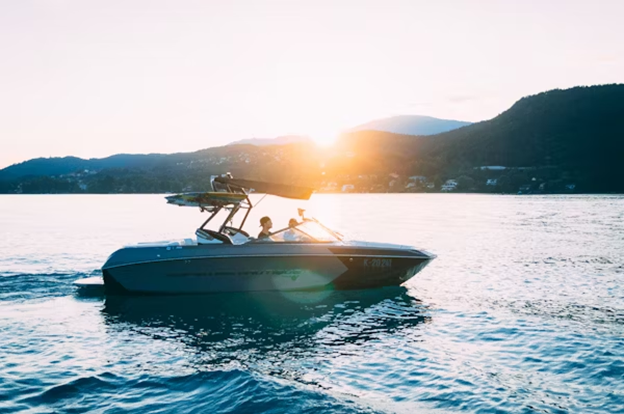
If you have some recreational boating experience, you may feel comfortable upgrading to a bowrider or a dual-console model. These craft handle differently in open water and require more awareness of trim, throttle control, and wake management. Avoid jet skis or high-performance boats unless you have logged real hours on similar equipment.
Matching the Boat to Your Itinerary
The best rental is the one that supports what you actually plan to do on the water. A common mistake is choosing based on looks or speed rather than function.
Planning to anchor near a sandbar and swim for a few hours? A pontoon with a boarding ladder and plenty of shade makes sense. Want to explore shallow flats or mangrove channels? Look for a skiff or flats boat with a shallow draft. Interested in snorkeling or diving at offshore reefs? You need something with enough range, storage for gear, and a stable platform for getting in and out of the water.
Christopher Pulichene, who works in watersports operations in the Florida Keys, emphasizes the importance of aligning your rental choice with your actual plans. Guests who spend time thinking through their day on the water tend to have safer, more enjoyable experiences than those who pick a boat on impulse.
Consider how many people will be aboard. Boat capacity limits are set for safety, not comfort. A six-person boat may legally hold six adults, but it will feel crowded, especially with coolers, towels, and gear. Build in a buffer. If your group is four people, rent a boat rated for six or more.
Evaluating Rental Company Standards
Not all rental operations maintain the same level of equipment quality or customer support. Look for companies that provide thorough safety briefings, even if you find them repetitive. A good briefing covers navigation rules, no-wake zones, channel markers, emergency procedures, and how to use the VHF radio.
Ask whether the company provides a chart or map of approved navigation areas. Some regions have restricted zones, shallow patches, or areas with heavy commercial traffic. Knowing where you can and cannot go prevents both legal trouble and potential grounding.
Check what safety equipment is included. At minimum, you should have life jackets for every passenger, a fire extinguisher, flares or visual distress signals, a sound-producing device, and a throwable flotation device. Confirm that the fuel tank is full at the start of your rental period and understand the refueling policy.
Insurance and liability terms vary widely. Read the rental agreement carefully. Some companies offer damage waivers that limit your financial exposure in case of an accident. Others hold renters fully responsible for any harm to the boat. Understand what your credit card or personal insurance may cover before you sign.
Timing and Weather Awareness
Book your rental with flexibility in mind. Coastal weather can shift quickly, and the best operators will work with you to reschedule if conditions turn unsafe. Morning hours typically offer calmer water and lighter winds. Afternoons in subtropical and tropical climates often bring thunderstorms, especially during summer months.
Check the marine forecast the day before and again the morning of your rental. Pay attention to wind speed, wave height, and any small craft advisories. If you are inexperienced, avoid going out when sustained winds exceed 15 knots or seas are forecast above two feet.
Plan your route before you leave the dock. Identify landmarks, note the location of the nearest fuel dock, and make sure at least one person in your group has a charged phone in a waterproof case. Share your float plan with someone on land, even if it is just a text message with your expected return time.
What to Bring and What to Leave Behind
Pack light, but pack smart. Bring sunscreen, hats, polarized sunglasses, and plenty of drinking water. Dehydration happens faster on the water than most people expect. A small cooler with ice, snacks, and beverages keeps everyone comfortable.
Avoid bringing valuables you cannot afford to lose. Phones, wallets, and keys should be stored in waterproof pouches. If you plan to swim or snorkel, designate one person to stay aboard and watch belongings.
Wear shoes with non-slip soles. Flip-flops are a liability on a wet deck. Consider a lightweight long-sleeve shirt to prevent sunburn, especially if you will be out for more than a few hours.
Asking the Right Questions Before You Commit
When you contact a rental company, ask about their cancellation policy, what happens if the boat breaks down during your rental period, and whether they provide on-water assistance if you run into trouble. Clarify whether fuel is included or if you are responsible for topping off the tank before return.
Find out if the company offers any orientation beyond the standard briefing. Some provide short test drives near the dock or allow you to practice docking in a controlled area. If you are nervous, this extra support can make a significant difference in your confidence.
Request information about local hazards such as strong currents, submerged rocks, or areas with heavy boat traffic. The more context you have, the better decisions you will make once you are underway.
Choosing the right boat rental is less about finding the flashiest option and more about understanding your own skills, your group’s needs, and the environment you will be navigating. Take your time, ask questions, and prioritize safety over speed. The water will still be there, and a thoughtful approach ensures you enjoy it responsibly.