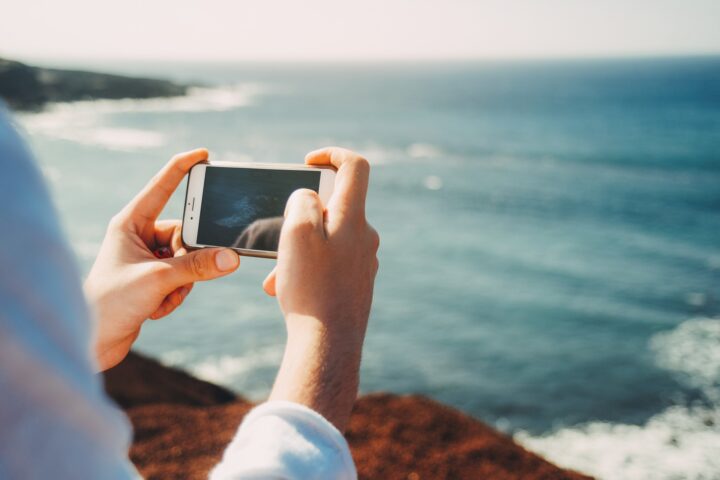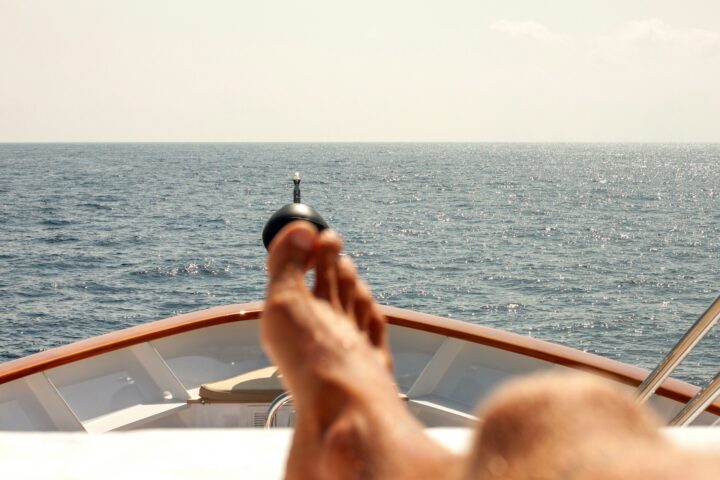
A day on the water is packed with camera-worthy moments, from a glowing sunrise over the marina to your friends laughing during an afternoon cruise. Unfortunately, boats rarely sit still and pose for the camera. Between the rocking, glare and ever-present threat of a splash, getting the perfect shot can be tricky.
The good news is that you don’t need fancy equipment or a film-school degree. A basic camera, with additional equipment or not, can deliver great results when you work with the light, steady your shots, protect your gear and keep safety in focus.
Work With the Light, Not Against It
Good lighting can turn an ordinary photo into a frame-worthy one. Just like bad lighting can make everyone squint like they have just been asked to solve a complicated math problem.
Early morning and late afternoon are usually the sweet spots for taking pictures. The softer light adds warmth and detail without the harsh shadows you often get around midday. Sunrise and sunset also serve up dramatic colors that look even better reflected across open water.
If you are shooting when the sun is high, keep it behind you or slightly off to one side. Avoid aiming directly at it unless you are intentionally creating a silhouette. When photographing people, use the boat’s canopy or cabin for shade to prevent washed-out faces and serious squinting.
Keep the Shakes Out of Your Shots
Even on a calm day, a boat rocks and your camera notices every little movement, even when you don’t.
Hold your camera with both hands and keep your elbows tucked close to your body. A wider stance can improve your balance but keep one hand free to steady yourself if the water gets rough. Leaning against a seat, railing or another secure part of the boat can also help stabilize the shot.
When filming, move the camera slowly and deliberately. Fast pans can make viewers feel seasick from the comfort of their couch. Record several short clips instead of one long video, since shorter footage is generally easier to stabilize, edit and share.
If you regularly film on the water, consider bringing a wrist strap, small tripod or handheld stabilizer from a camera supply store. Your camera will appreciate not becoming part of the reef.
Keep Your Gear High and Dry
Water, salt and electronics are not exactly best friends. Keep your cameras and accessories in waterproof or water-resistant cases whenever possible. When you are not using them, store them in a dry bag or padded marine storage box.
Avoid changing lenses or opening memory card compartments while spray is flying. If your equipment comes into contact with saltwater, clean it quickly and according to the manufacturer’s instructions.
Bring a lens cloth, too. Water spots and fingerprints can be hard to spot on a small screen, but they have a remarkable talent for showing up later in every photo you love.
Tell the Story of the Day
The best water-sport photos capture more than beautiful scenery; they tell the story of the entire boating experience.
Take a mix of wide shots, close-ups and candid moments. Photograph the boat at the dock, the shoreline in the distance, someone tying a line or children watching for wildlife. Don’t overlook the little details, either; fishing gear, snacks on the deck and water splashing along the hull can make your photo collection feel more dynamic.
For videos, record several short clips from different angles. Combine shots of the wake, passengers, scenery and activities aboard the boat. That variety will be much more interesting than three uninterrupted minutes of water passing by.
Don’t worry about making every moment look perfectly staged either. Candid laughter, windswept hair and the occasional crooked hat often make your photo collection reflect the excitement of the day.
Capture the Fun Without Missing It
Better boating photos and videos come down to preparation, awareness and good timing. Work with the available light, keep the camera steady, protect your equipment and capture a variety of moments throughout the day. Most importantly, put safety first, and remember to put the camera away now and then. The best photos should help you remember the experience; not make you miss it while it’s happening.