Whether you’re planning a weekend getaway on a local lake or embarking on an extended coastal adventure, reliable communication is one of the most important safety considerations for any boater. Cell phone coverage over water can be spotty at best, and relying solely on cellular service leaves you vulnerable when you need help most. Understanding your communication options and preparing your boat with the right equipment can make the difference between a smooth outing and a stressful emergency.
Boaters today have more communication choices than ever before, from traditional marine radios to modern satellite systems. Each option serves different purposes depending on where you boat, how far from shore you venture, and what level of connectivity you need. Building a communication strategy that works for your boating style ensures you can reach help, coordinate with other vessels, and stay informed about weather and navigation updates. Some boaters also use Motorola mobile radios as part of their onboard communication toolkit, particularly for crew coordination and backup systems.
VHF Radios Remain The Standard For Recreational Boaters
VHF marine radios have been the backbone of boating communication for decades, and they remain essential equipment for anyone who spends time on the water. These radios operate on dedicated marine frequencies and provide reliable line-of-sight communication with other vessels, marinas, and coast guard stations. The range typically extends 20 to 60 nautical miles depending on antenna height and water conditions, making VHF radios practical for most recreational boating scenarios.
One of the primary advantages of VHF radios is their integration with established maritime safety systems. Channel 16 is monitored by the Coast Guard and commercial vessels worldwide, creating a universal distress and hailing frequency. When you transmit on Channel 16, you’re connecting to a network of professional responders and other boaters who can provide immediate assistance if needed. This level of institutional support simply doesn’t exist with other communication methods.
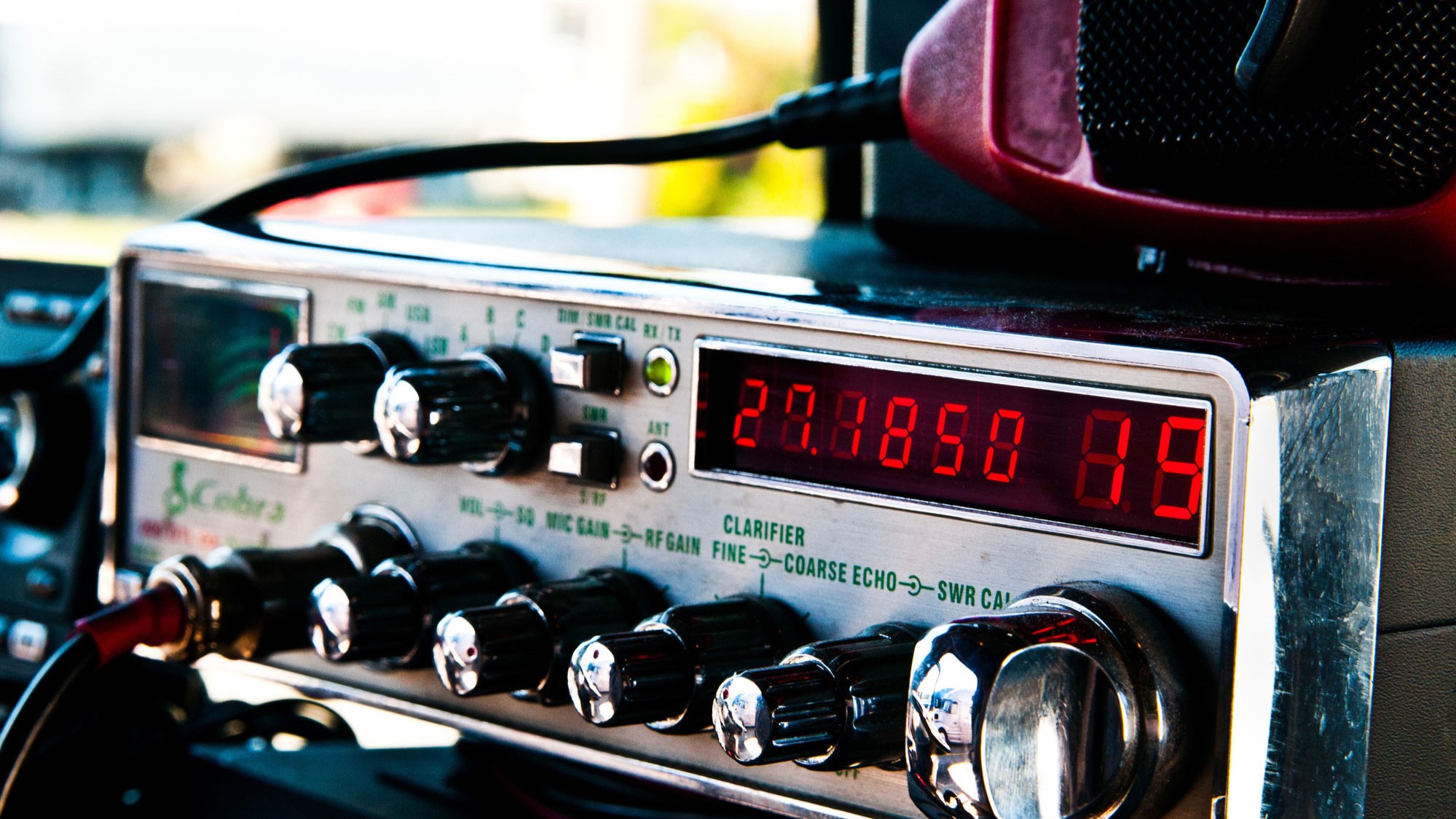
Fixed-mount VHF radios installed in your boat’s cabin offer superior range and clarity compared to handheld alternatives. The larger antenna and higher transmission power mean your signal travels farther and penetrates obstacles more effectively. For boaters who regularly venture beyond sight of land or spend extended time on the water, a quality fixed VHF radio is a non-negotiable safety investment. Handheld VHF units serve as excellent backup systems and are particularly useful for crew members on deck who need to communicate without returning to the cabin.
Single Sideband And High Frequency Options For Extended Range
Boaters who venture far offshore or spend weeks away from coastal areas often upgrade to single sideband radios or high frequency systems. These technologies operate at lower frequencies than VHF, which means their signals travel much greater distances, sometimes spanning hundreds of miles. SSB radios can reach shore-based stations and other vessels far beyond the horizon, making them invaluable for cruisers heading to remote locations or crossing open ocean.
The tradeoff with SSB and HF systems is complexity and cost. These radios require more sophisticated installation, larger antennas, and specialized knowledge to operate effectively. Weather conditions, time of day, and solar activity all influence signal propagation, requiring operators to understand propagation patterns and frequency selection. For many recreational boaters, the investment and learning curve aren’t justified by their boating patterns, but for serious cruisers, these systems provide unmatched long-distance capability.
Satellite communication systems have emerged as another option for extended-range connectivity. Devices like personal locator beacons and satellite messengers allow boaters to send distress signals and text messages from anywhere on Earth, regardless of cellular or radio coverage. These systems work independently of any terrestrial infrastructure, making them particularly valuable for boaters who venture into truly remote areas where traditional communication methods fail.
Cellular And Internet Solutions For Modern Boaters
Smartphone connectivity has transformed boating communication, though it comes with important limitations. Many boaters now rely on cellular service for routine communication, weather updates, and navigation assistance. Cellular boosters and marine antennas can extend coverage range, allowing you to maintain connectivity farther from shore than traditional phone service would permit.
The critical mistake many boaters make is assuming cellular service will always be available. Coverage gaps exist over water, and relying exclusively on your phone for safety communication is dangerous. Cellular networks can become overloaded during emergencies, and battery life may not last through an extended crisis. Treating cellular service as a convenience rather than a safety system prevents dangerous assumptions about your ability to call for help.
WiFi hotspots and marine internet services offer additional connectivity options when you’re docked or anchored near shore. These systems allow you to check weather forecasts, file float plans, and communicate with family and friends using email or messaging apps. Many modern boats include WiFi systems that connect to dockside networks or use cellular boosters to extend internet access.
Building A Redundant Communication System
The safest approach to boating communication involves layering multiple systems so that if one fails, you have alternatives. A typical system might include a fixed VHF radio as your primary safety communication tool, a handheld VHF as backup, and a personal locator beacon for emergency situations where all other systems fail. Depending on your boating range and frequency, you might add cellular boosters, satellite messengers, or SSB radios to this foundation.
Regular maintenance and testing of all communication equipment ensures everything works when you need it. Check your VHF radio’s battery backup system, verify antenna connections are secure, and confirm that all crew members know how to operate your communication equipment. Many boaters discover equipment problems only during emergencies, when it’s far too late to address them.
Developing a communication plan before you leave the dock helps ensure everyone knows what to do if problems arise. File a float plan with someone ashore, establish check-in procedures, and make sure crew members understand which communication system to use in different situations. This preparation transforms communication equipment from passive safety gear into an active part of your boating safety strategy.
Weather Monitoring And Navigation Communication
Beyond emergency communication, boaters need reliable access to weather information and navigational updates. NOAA Weather Radio provides continuous broadcasts of marine forecasts, warnings, and other critical information. Most modern marine radios include weather radio receivers, making this service easily accessible without additional equipment.
Automatic Identification System receivers allow boaters to track nearby vessel traffic and receive collision avoidance alerts. AIS integration with your navigation system provides real-time awareness of commercial shipping lanes and other vessels in your area. This technology has become increasingly important as recreational boating areas become more crowded.
Navigation communication systems help you plot courses, receive routing suggestions, and coordinate with other vessels. Modern chartplotters integrate with multiple communication systems, allowing you to share your position, receive weather updates, and maintain awareness of your boating environment. These integrated systems reduce the need to switch between different devices and create a more cohesive safety picture.
Conclusion
Effective communication transforms boating from a potentially risky activity into a manageable recreational pursuit. By understanding your communication options, installing appropriate equipment for your boating style, and maintaining regular testing and training, you create a safety net that protects you and your crew. Whether you boat locally or venture far from shore, investing in communication systems and developing solid communication practices should rank among your highest safety priorities. The time you spend preparing communication systems before problems arise pays dividends when you actually need to reach help or coordinate with other vessels.