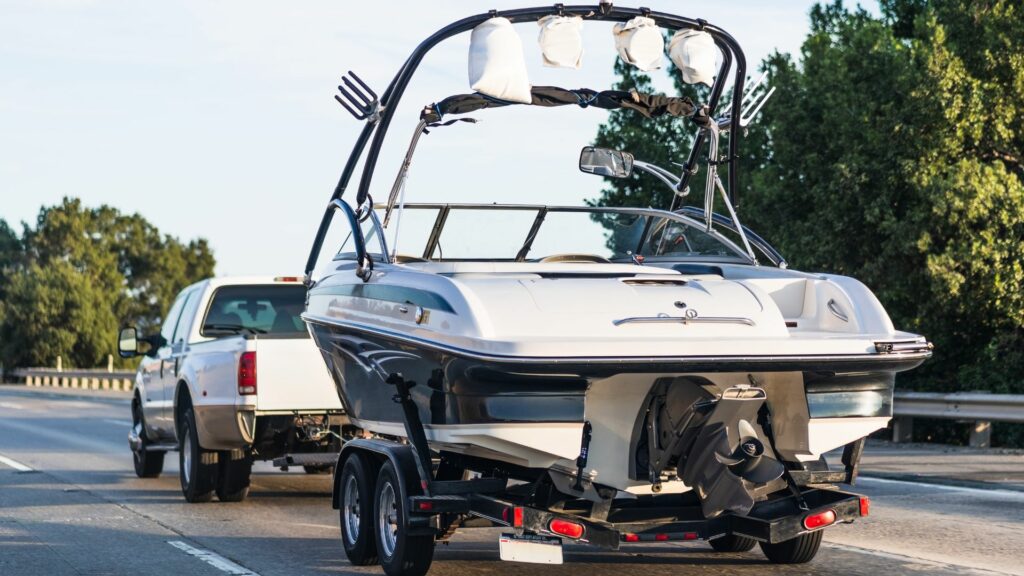
For many boat owners, spring launch season means getting back on the water after months of winter storage. Before heading to the marina or boat ramp, however, you should spend time preparing one piece of equipment that often receives less attention than the boat itself: the trailer.
After sitting unused through the offseason, your trailer can develop problems that are not immediately visible. Tires lose pressure, wheel bearings collect moisture, wiring corrodes, and brake components begin to wear.
Taking a proactive approach before launch season begins can help reduce the risk of breakdowns, towing problems, and costly repairs later in the spring and summer. Of course, one of the best ways to support long-term trailer performance is by working with reputable boat trailer manufacturers. You should opt for ones that prioritize durable construction, corrosion resistance, and serviceable components designed for repeated launching and highway towing.
To kick off your spring trailer prep, you should start by inspecting the tires. Long storage periods can lead to cracking, dry rot, flat spots, or uneven wear. Before towing, be sure to check tire pressure against manufacturer recommendations and inspect both the tread and sidewalls carefully. Even minor tire damage can become dangerous during highway travel, particularly when towing heavier boats.
You should also inspect the spare tire to confirm it is properly inflated and ready for use if needed. A neglected spare can quickly turn a manageable roadside issue into a much larger problem.
Wheel bearings are another important maintenance area during spring launch preparation. Because boat trailers are repeatedly submerged during launching and retrieval, bearings face constant exposure to water and corrosion. If lubrication breaks down or moisture enters the hub assembly, excessive heat can build while towing and potentially lead to wheel failure.
As part of your preseason inspection, check hubs for leaking grease, rust, or signs of overheating. Grinding noises or excessive wheel movement may indicate worn bearings that require immediate attention. Many boat owners repack wheel bearings annually during spring maintenance to improve reliability throughout the boating season.
You should also test your trailer brake systems before the first launch trip. Corrosion commonly develops during storage, particularly in coastal environments or regions where road salt is present. Inspect brake pads, rotors, drums, hydraulic lines, and actuators for signs of wear, leaks, or sticking components.
Properly functioning trailer brakes become increasingly important when towing larger boats, traveling through traffic, or navigating steep launch ramps. Identifying brake issues early can help improve towing performance and overall road safety before launch season gets underway.
Trailer lighting and electrical systems should also be included in your spring prep checklist. Moisture intrusion, damaged wiring, corroded plugs, and burned-out bulbs can all affect trailer light operation after months in storage. Before towing, you should test your brake lights, turn signals, reverse lights, and running lights to confirm everything functions correctly.
You should also inspect the trailer frame and structural components carefully before your first trip to the water. Areas surrounding welds, suspension mounts, bunks, rollers, and axle components often experience the greatest stress during towing and launching. Surface rust should be treated early before it develops into more serious structural corrosion.
Suspension systems deserve equal attention during spring maintenance. Leaf springs, mounting brackets, U-bolts, and related hardware should be checked for cracking, rust, or excessive wear. Damaged suspension components can affect trailer stability and place additional strain on tires and axles during transport.
The winch assembly and securing hardware should also be inspected before launch season begins. Winch straps and cables should be checked for fraying, corrosion, or weakened sections that could fail during loading or unloading. Safety chains and tie-down straps should remain in good condition and properly secured before transport.
Smaller maintenance tasks can also make a meaningful difference in trailer reliability throughout the season. Lubricating moving parts, tightening loose hardware, cleaning electrical contacts, and reviewing registration paperwork all help support safer towing conditions once boating season begins.
Preparing your boat trailer for spring launch season takes time, but it can help prevent problems once boating season is underway. By inspecting key systems before your first trip of the year, you can improve towing safety, reduce the likelihood of breakdowns, and spend more time out on the water.